
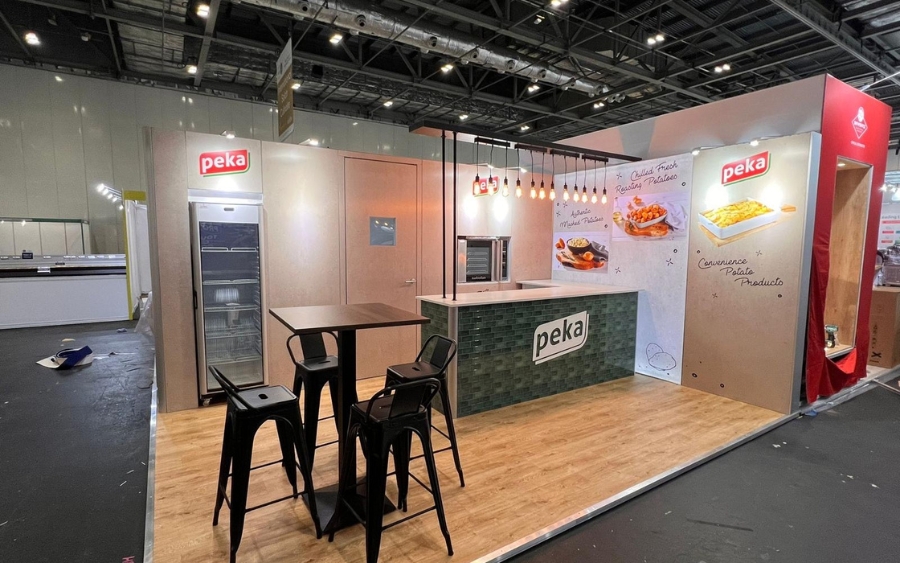
Exhibiting using a space-only plot gives your brand complete creative freedom. However, alongside managing floor coverings, electrics, and structural walls, you are also responsible for submitting a detailed event risk assessment.
Proactively identifying and managing potential hazards before entering the exhibition hall safeguards your staff, protects your brand reputation, and satisfies venue regulations.
Why Is an Event Risk Assessment Necessary?
Even if the overall venue has conducted a site-wide assessment, exhibitors must complete a specific risk assessment for their space-only stand.
Completing this documentation in advance ensures your installation runs smoothly, prevents costly delays from venue organisers, and keeps your team safe during build, event live days, and dismantle.
The 5-Step Exhibition Risk Assessment Checklist
Follow this structured framework to identify hazards, assess risk levels, and put effective control measures in place:
1. Identify Potential Stand Hazards
Evaluate all activities occurring before, during, and after the event. Focus on realistic hazards, including:
-
Trip and Slip Hazards: Trailing electrical cables, uneven raised flooring, or loose carpet edges.
-
Electrical Safety: Overloaded sockets, untested equipment, or exposed wiring.
-
Manual Handling: Lifting heavy graphics, product display boxes, or counter units.
-
Working at Height: Assembling high-level signage or overhead banner displays.
-
Fire & Weather Risks: Flammable packing materials or inclement weather (for outdoor displays).
2. Determine Who Might Be at Risk
Identify the groups of people who could be affected by an incident. You do not need to list individuals by name; categorise them by role:
-
Exhibition stand contractors and build crew
-
Internal stand personnel and sales staff
-
Event attendees and members of the public
-
Venue stewards and neighbouring exhibitors
3. Evaluate Risk Levels and Implement Controls
Rate each identified hazard as High, Medium, or Low risk based on its potential severity and likelihood of occurrence. Implement clear precautions to reduce these risks:
-
Ensure all control measures align with standard industry safety practices.
-
Provide clear instructions and safety briefs for stand staff.
-
Comply with statutory venue requirements and health and safety legislation.
4. Document and Share Your Findings
Record your findings in a formal risk assessment document. State the hazard, who is at risk, the initial risk level, and the precise control measures put in place to mitigate it.
-
Share the completed assessment with your stand team and build contractors.
-
Keep a physical or digital copy available on-stand during the show for venue health and safety inspectors.
5. Review and Update Plans Regularly
Exhibition logistics and stand designs frequently evolve leading up to show day. Continuously review your document and make necessary amendments as plans change, finalising the document a few days before access day.
Simplify Your Event Planning with Clip UK
Managing stand safety, health and safety paperwork, and contractor logistics can be complex. At Clip UK, we provide complete, full-service project management, taking care of everything from stand design and build to risk assessments, method statements, and venue approvals.
Contact our expert team today to discover how we can deliver a seamless, fully compliant exhibition presence for your brand.